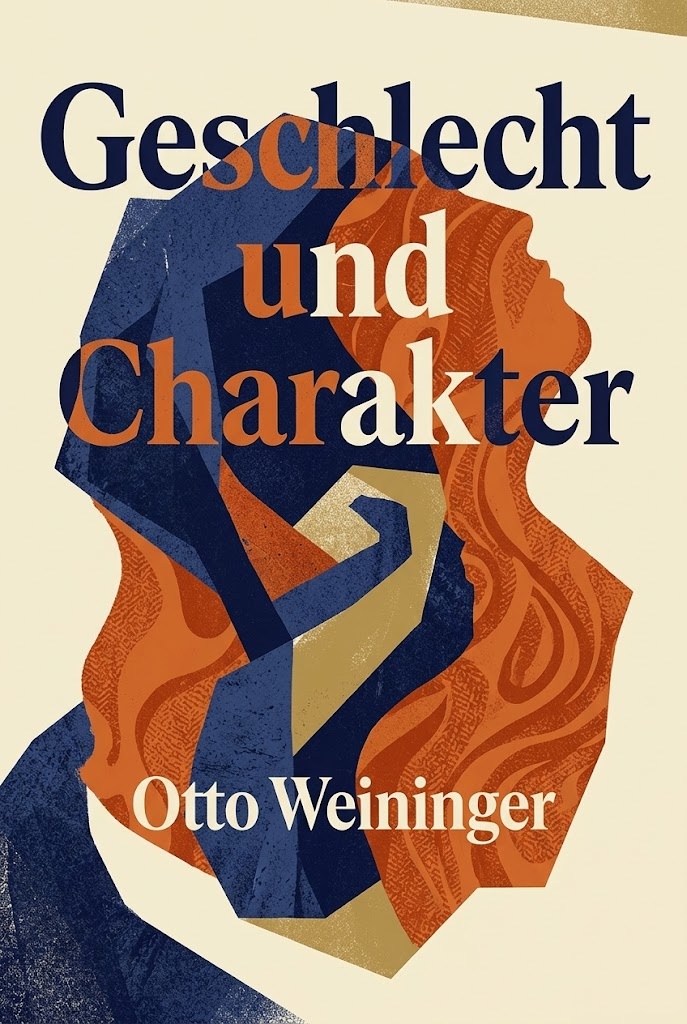
Philosophy & EthicsÜber die letzten DingeOtto Weininger
Philosophy & Ethics
Über die letzten Dinge
Centered on ethics and metaphysics, it advances a rigorous dualism of cosmos versus chaos, examines crime, madness, genius, time, and culture, and treats art and nature as symbols of moral realities.
70,76 kr
Prisen er eksklusiv VAT, som legges til i kassen. Ingen abonnement.
- Levert umiddelbart — filene dine er klare så snart betalingen går gjennom.
- Uten DRM, så den åpnes på leseren du allerede har.
- Din å beholde — en evigvarende lisens, ikke et leieforhold.
Om denne boken
"Über die letzten Dinge" by Otto Weininger is a collection of philosophical essays and aphorisms written in the early 20th century. Centered on ethics and metaphysics, it advances a rigorous dualism of cosmos versus chaos, examines crime, madness, genius, time, and culture, and treats art and nature as symbols of moral realities. Readers can expect polemical reflections framed by a biographical preface and daring interpretations (notably of Ibsen’s Peer Gynt) that pursue redemption through truth, responsibility, and inner transformation.
The opening of the work presents a biographical preface that sketches the author’s life, studies, and turn from positivism to a Kantian-Platonic ethical dualism, alongside his intense musical sensibility (with Wagner and Beethoven central) and a symbolic reading of nature. It lays out the core thesis: human life is a combat between the “Nothing” (chaos, crime, insanity) and the “All” (goodness, truth), with genius and sainthood defined as the complete overcoming of that inner negation; strict sexual ethics and the earlier book are explained as defenses against moral collapse, culminating in the account of his suicide as a refusal of compromise. Brief letters and notes amplify his symbolist method and moral preoccupations, followed by a table of contents. The first major essay then begins by rejecting fashionable readings of Peer Gynt and recasting it as a universal redemption drama in Kantian terms: love as the path to a true self, the trolls’ self-sufficiency as moral failure, the “button-molder” as the unyielding claim of conscience, and the critique of the lukewarm human who lacks a stable “I,” with Solveig emblematic of salvation.
- Format
- EPUB
- Språk
- Tysk
- Omfang
- 248 sider
Detaljer
Mer av denne forfatteren
Se alle
Andre i hyllen Philosophy & Ethics
Se alle