Drama & ScreenplaysKaksi lupausta: Kolminäytöksinen näytelmäKaarle Halme
Biography & MemoirArkadia: Elämäni kuvia maailmaa kuvastelevilta palkeilta kansallisen kevättunnelman ajoiltaKaarle Halme
Biography & Memoir
Arkadia: Elämäni kuvia maailmaa kuvastelevilta palkeilta kansallisen kevättunnelman ajoilta
av Kaarle Halme
It portrays a Finnish actor’s life behind the scenes at Helsinki’s Arkadia theatre during the national awakening, blending personal milestones with the making of a Finnish-language stage culture.
76,21 kr
Prisen er eksklusiv VAT, som legges til i kassen. Ingen abonnement.
- Levert umiddelbart — filene dine er klare så snart betalingen går gjennom.
- Uten DRM, så den åpnes på leseren du allerede har.
- Din å beholde — en evigvarende lisens, ikke et leieforhold.
Om denne boken
"Arkadia : Elämäni kuvia maailmaa kuvastelevilta palkeilta kansallisen…." by Kaarle Halme is a memoir written in the early 20th century. It portrays a Finnish actor’s life behind the scenes at Helsinki’s Arkadia theatre during the national awakening, blending personal milestones with the making of a Finnish-language stage culture. The reminiscences spotlight premieres, backstage tensions, the craft of speech, and vivid portraits of key figures such as Kaarlo Bergbom, Ida Aalberg, Minna Canth, and Niilo Sala. The opening of the memoir follows the narrator through a nerve‑wracking trial performance as Daniel Hjort and his acceptance into the Suomalainen Teatteri, then recounts the stormy premiere of Minna Canth’s Kovan onnen lapset and the shocked audience response. Attempts by actors to regularize work conditions trigger an irascible rebuttal from director Bergbom, after which the tone shifts to acknowledge his achievements and the galvanizing artistry of Ida Aalberg. Halme details his struggle to refine Finnish stage diction toward a more musical, Kalevala‑inflected rhythm, punctuated by anecdotes about a farewell party, a comic correction of “helppotajuinen” to “halpahintainen,” and a reserved sleigh‑ride talk with Niilo Sala. A luminous spring in Viipuri and a successful test of his new speech method in Fulda’s Työlakko lead to a somber turn with Sala’s uneasy departure and later news of his death. The section closes with Oskar Merikanto’s praise and a playful staging of Ibsen’s Villisorsa, where real food on stage delights the house—and sends hungry spectators rushing to the buffet.
- Format
- EPUB
- Språk
- fi
- Omfang
- 229 sider
Detaljer
Mer av denne forfatteren
Se alleAndre i hyllen Biography & Memoir
Se alle
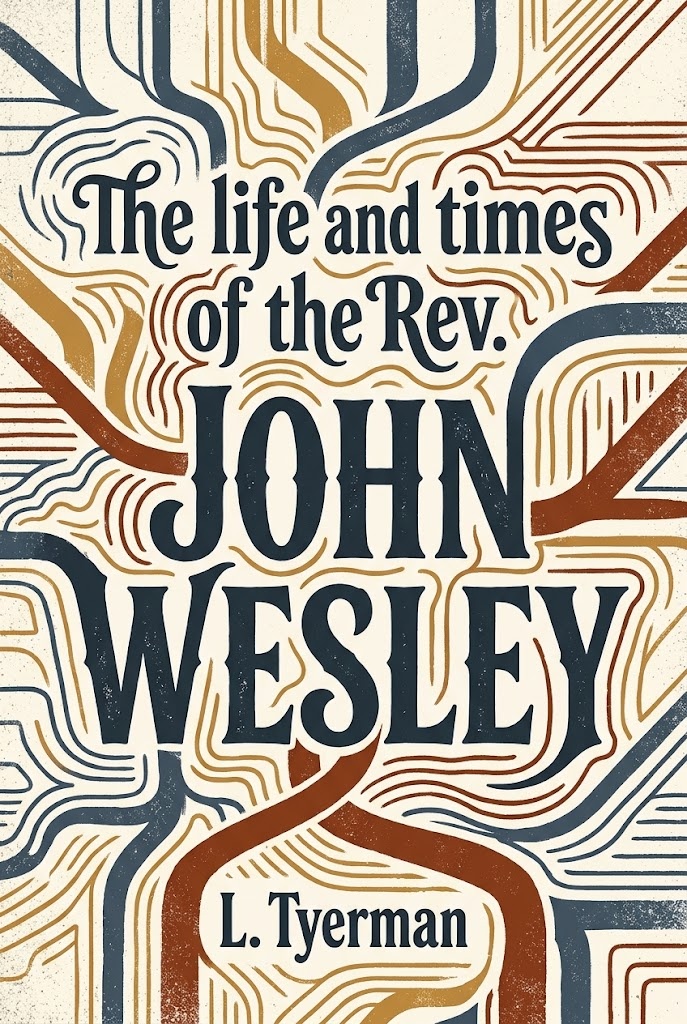
The life and times of the Rev. John Wesley, M.A., founder of the Methodists. Vol. 2 (of 3)
L. (Luke) Tyerman
141,62 kr