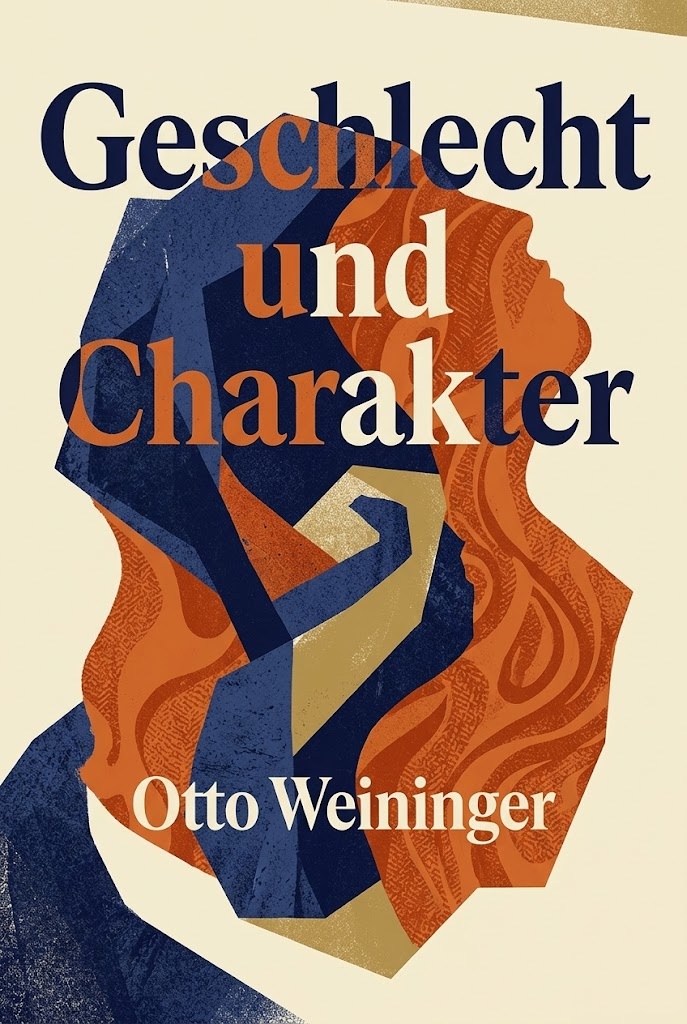
Philosophy & EthicsÜber die letzten DingeOtto Weininger
Philosophy & Ethics
Über die letzten Dinge
Centered on ethics and metaphysics, it advances a rigorous dualism of cosmos versus chaos, examines crime, madness, genius, time, and culture, and treats art and nature as symbols of moral realities.
€6.49
Excludes VAT, added at checkout. No subscription.
- Delivered instantly — your files are ready as soon as payment clears.
- DRM-free, so it opens on any reader you already own.
- Yours to keep — a perpetual licence, not a rental.
About this book
"Über die letzten Dinge" by Otto Weininger is a collection of philosophical essays and aphorisms written in the early 20th century. Centered on ethics and metaphysics, it advances a rigorous dualism of cosmos versus chaos, examines crime, madness, genius, time, and culture, and treats art and nature as symbols of moral realities. Readers can expect polemical reflections framed by a biographical preface and daring interpretations (notably of Ibsen’s Peer Gynt) that pursue redemption through truth, responsibility, and inner transformation.
The opening of the work presents a biographical preface that sketches the author’s life, studies, and turn from positivism to a Kantian-Platonic ethical dualism, alongside his intense musical sensibility (with Wagner and Beethoven central) and a symbolic reading of nature. It lays out the core thesis: human life is a combat between the “Nothing” (chaos, crime, insanity) and the “All” (goodness, truth), with genius and sainthood defined as the complete overcoming of that inner negation; strict sexual ethics and the earlier book are explained as defenses against moral collapse, culminating in the account of his suicide as a refusal of compromise. Brief letters and notes amplify his symbolist method and moral preoccupations, followed by a table of contents. The first major essay then begins by rejecting fashionable readings of Peer Gynt and recasting it as a universal redemption drama in Kantian terms: love as the path to a true self, the trolls’ self-sufficiency as moral failure, the “button-molder” as the unyielding claim of conscience, and the critique of the lukewarm human who lacks a stable “I,” with Solveig emblematic of salvation.
- Format
- EPUB
- Language
- German
- Length
- 248 pages
Details
More by this author
View all
Others on the Philosophy & Ethics shelf
View all