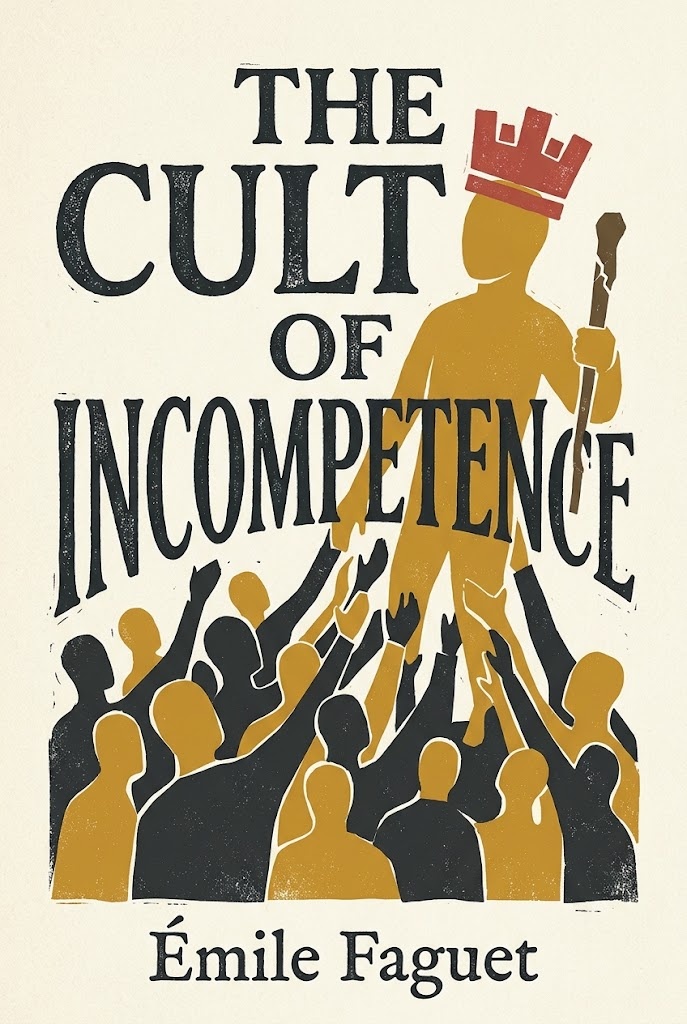
Philosophy & EthicsLes préjugés nécessairesÉmile Faguet
Philosophy & Ethics
Les préjugés nécessaires
by Émile Faguet
Les préjugés nécessaires by Émile Faguet is a philosophical treatise written in the early 20th century.
€5.99
Excludes VAT, added at checkout. No subscription.
- Delivered instantly — your files are ready as soon as payment clears.
- DRM-free, so it opens on any reader you already own.
- Yours to keep — a perpetual licence, not a rental.
About this book
Les préjugés nécessaires by Émile Faguet is a philosophical treatise written in the early 20th century. It examines how societies are built and held together by “necessary prejudices”—beliefs people adopt less from proof than from social need. Arguing that humans are naturally familial and only reluctantly social, it claims war both creates and sustains society, forging civic cohesion and recasting instincts. The work appears set to analyze core beliefs (such as love of life and free will) as instruments that align individuals with collective survival. The opening of this treatise questions whether humans are innately social, comparing us with solitary, social, and gregarious animals and concluding we most resemble the gregarious. It traces a path from prolonged childrearing to family, sedentarism, domestication, and agriculture, then argues that true society arose not from the family but from war driven by population pressure, which necessitated defensive coalitions, laws, and permanent states that elevate martial virtues. Faguet then defines “necessary prejudices” and illustrates two: love of life, which society redirects from personal impulse to patriotic self-sacrifice, and free will, treated as a probable illusion yet a socially imposed creed that grounds responsibility, punishment, remorse, and conversion. The section closes by canvassing critiques of volition (Spinoza, Schopenhauer, Nietzsche, Ribot) while explaining why belief in freedom persists because society requires it.
- Format
- EPUB
- Language
- French
- Length
- 284 pages
Details
More by this author
View allOthers on the Philosophy & Ethics shelf
View all