HistoryWalled townsRalph Adams Cram
History
Walled towns
It argues that the remedy for industrial modernity’s ugliness and moral drift is a network of spiritually grounded, guild-based, largely self-sufficient “walled towns” that combine medieval civic…
€2.99
Excludes VAT, added at checkout. No subscription.
- Delivered instantly — your files are ready as soon as payment clears.
- DRM-free, so it opens on any reader you already own.
- Yours to keep — a perpetual licence, not a rental.
About this book
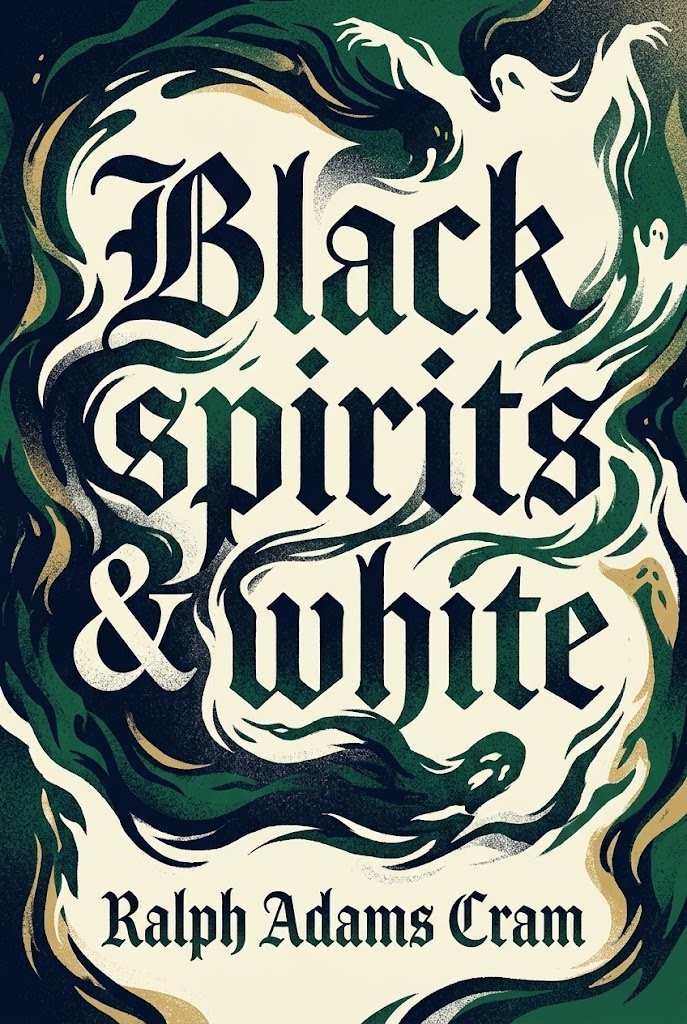
"Walled towns" by Ralph Adams Cram is a social critique and reformist essay written in the early 20th century. It argues that the remedy for industrial modernity’s ugliness and moral drift is a network of spiritually grounded, guild-based, largely self-sufficient “walled towns” that combine medieval civic form with practical modern needs. Rejecting both reactionary restoration and revolutionary chaos, the work proposes a third path built on small human scale, justice, and a sacramental philosophy.
The opening of this work contrasts the colour, order, and fresh air of a medieval walled city with the grime, noise, and vulgarity of an industrial station and slum, then turns to the postwar question, “What is the way out?” It dismisses the false choice between restoring prewar civilization and embracing Bolshevism, and rejects mechanistic fixes—mass democracy, state socialism, pacifist internationalism—arguing instead for small units, value over quantity, and a revived monastic spirit adapted to family life. The author sketches principles for new communities: justice first, cooperation over competition, production for use, severe limits on usury, landholding as the basis of citizenship, and controlled membership. He then offers a tour of an exemplar, Beaulieu: motors stopped at the gate, symbolic civic pageantry, a parish church at the center, a provost-and-council government of landholding burgesses, land-rent taxation without public debt, courts of conciliation, and an economy organized by guilds that favor crafts, shared mills, and water power. Education is inseparable from religion, honours genuine talent, and feeds a rich common culture of music, drama, and festivals; museums give way to art embedded in daily life. Social distinctions rest on mastery, academies, and knighthood for service, not money or mass power. The section closes by declaring the walled towns a deliberate alternative to nineteenth‑century democracy, socialism, and their anarchic offshoots.
- Format
- EPUB
- Language
- English
- Length
- 70 pages
Details
More by this author
View allOthers on the History shelf
View all