Short StoriesTales from silver landsCharles Joseph Finger
British Literature
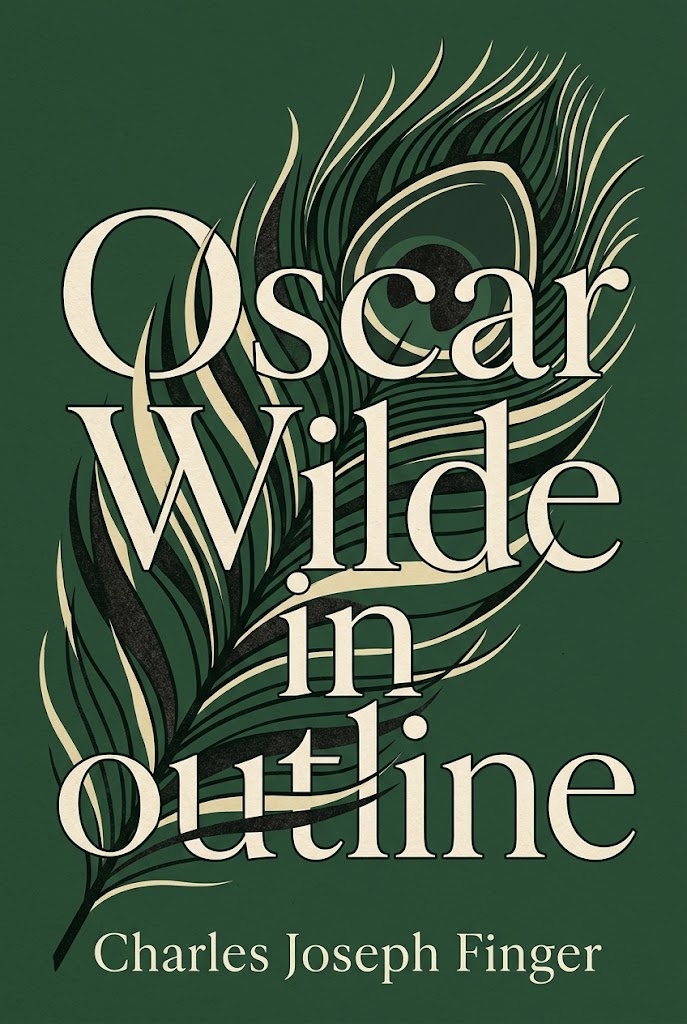
Oscar Wilde in outline
It surveys Wilde’s life and writings—poetry, fiction, criticism, and especially drama—through the lens of his temperament, aesthetics, and reputation.
€2.49
Excludes VAT, added at checkout. No subscription.
- Delivered instantly — your files are ready as soon as payment clears.
- DRM-free, so it opens on any reader you already own.
- Yours to keep — a perpetual licence, not a rental.
About this book
"Oscar Wilde in outline" by Charles Joseph Finger is a critical study written in the early 20th century. It surveys Wilde’s life and writings—poetry, fiction, criticism, and especially drama—through the lens of his temperament, aesthetics, and reputation. The focus is on how Wilde’s paradoxes, influences, and public scandals shaped both his art and its reception, with the case made that his lasting strength lies in his plays and essays.
The opening of this study argues that readers habitually confuse an artist’s work with the accidents of life, then places Wilde within that problem by briskly ranking his achievements across genres and noting how scandal has distorted judgment. Finger sketches Wilde’s “feminine” sensibility, heredity, love of display, and delight in contradiction, then defends the serious intent beneath his provocations—critiques of Puritan moralizing, American commercialism, and empty social ambition, and an insistence on self-culture and art’s independence from morality. He traces Wilde’s partisanship, especially his adoption of Baudelaire’s creed of “art for art’s sake,” and surveys the fiction: a sardonic take on Lord Arthur Savile’s tidy murder, and a mixed appraisal of The Picture of Dorian Gray—lavishly colored, French-influenced, and artificial yet memorable. Briefly, he treats the fairy tales as ornate fables for adults, before celebrating the plays’ glittering wit and stagecraft and noting the press’s hostility. The section then turns to Wilde as critic and essayist—sympathetic, stylish, influenced by Chuang Tzu—reading “Pen, Pencil and Poison” as a cool, psychological portrait rather than an ode to crime. Throughout, Finger quotes widely and compares deftly to argue that Wilde’s paradoxes mask a coherent plea for beauty, individuality, and the primacy of art.
- Format
- EPUB
- Language
- English
- Length
- 64 pages
- Publisher
- Good Press
Details
More by this author
View allOthers on the British Literature shelf
View all